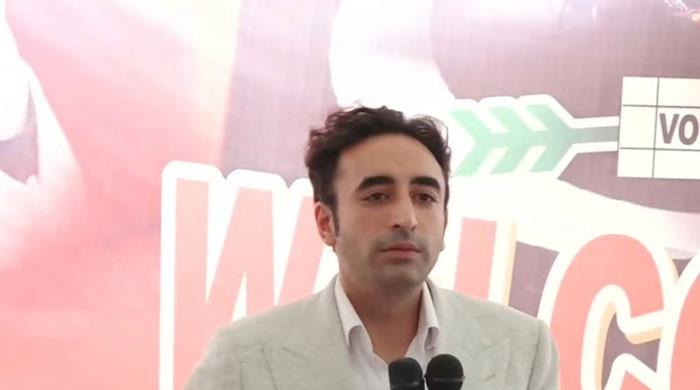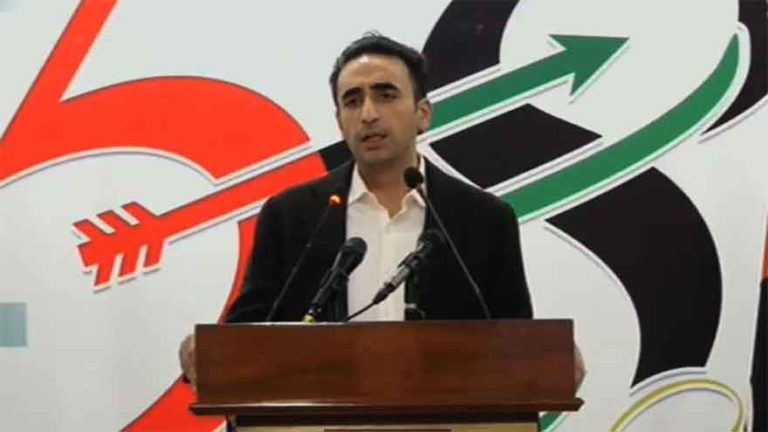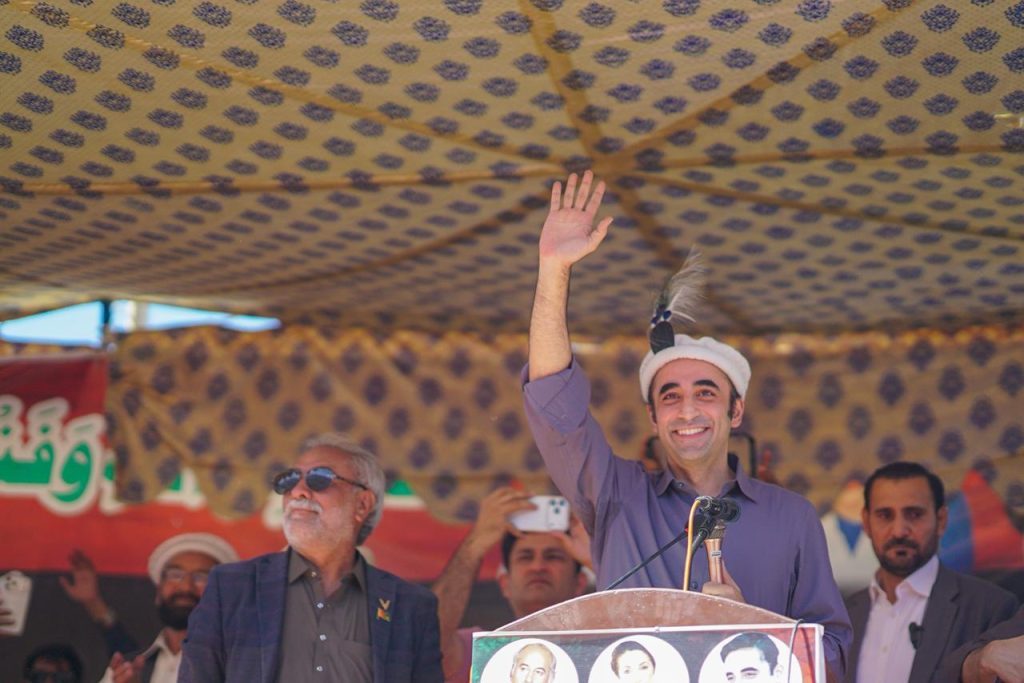
Chairman of the Pakistan Peoples Party (PPP), Bilawal Bhutto Zardari, addressed a massive election rally in Shigar, Gilgit-Baltistan, on Monday, vowing to secure ownership rights, economic self-reliance, and free healthcare for the region. The gathering, organized by PPP candidate Imran Nadeem, drew thousands of supporters in the mountainous constituency.
Legacy of the Bhutto Family
Addressing the crowd, Bilawal thanked the people of Shigar for their three generations of support for the PPP. “Standing on these mountains, I can proudly declare: Zinda Hai Bhutto, Zinda Hai,” he said, noting that opponents had failed to silence the slogan. He recalled that Shaheed Zulfikar Ali Bhutto gave Pakistan the 1973 Constitution and made the country a nuclear power, while also introducing subsidies for Gilgit-Baltistan that continue to provide petrol and wheat at prices equal to those in Karachi.
Bilawal paid tribute to his mother, Shaheed Benazir Bhutto, who became the Muslim world’s first female minister and served twice. “The world knows Pakistan through the name of Shaheed Bibi,” he said, adding that as Foreign Minister, he was respected not just for his youth but as her son and the grandson of Quaid-e-Awam.
Electoral Justice and Local Rights
The PPP chairman accused rivals of stealing nine party seats in previous elections, including Imran Nadeem’s victory. “You arrange Form-45, and I will take care of Form-47,” he told supporters, promising that no one would steal their seat this time. He demanded free and fair elections, rejecting the idea of being “selected” into power. “Our slogan remains Roti, Kapra aur Makaan,” he said, pledging to secure ownership and governance rights for Gilgit-Baltistan similar to those granted by the 18th to provinces.
Bilaw criticized opponents for centralizing control from Islamabad. “Decisions regarding Gilgit-Baltistan should be made by the people of Gilgit-Baltistan,” he said, calling for the abolition of federal ministries for the region if the government is bankrupt. He cited the Thar coal project in Sindh, which produces the cheapest electricity in Pakistan through a public-private partnership, as a model for local resource management.
Pro-Poor Policies and Free Healthcare
Highlighting the PPP’s track record, Bilawal pointed to the Benazir Income Support Programme (BISP) as a flagship initiative that supports poor women across the country. He warned against efforts to devolve BISP to provinces, arguing that Gilgit-Baltistan lacks resources to run such a program. “From Egypt to Brazil, countries are replicating BISP,” he said.
He announced plans to build a world-class hospital in Shigar providing free treatment, similar to PPP-run facilities in Sindh that offer free care for heart, kidney, and liver diseases. “If you elect my representative, we will establish a similar institution free medical treatment in Shigar,” he said. Bilawal also highlighted a massive housing project in Sindh, providing two million homes to the poor, with ownership in women’s names, and creating one million jobs.
Regional and Global Context
The PPP chairman condemned recent attacks by the United States and Israel on Iran, which martyred Iranian leaders and schoolchildren, and expressed hope for peace efforts to reduce inflation. He urged supporters to vote for Imran Nadeem on June 7, calling it a responsibility to carry forward the struggle of three generations. “The people have never disappointed Shaheed Quaid-e-Awam, President Zardari, or me,” he concluded, leading the crowd in party slogans.