
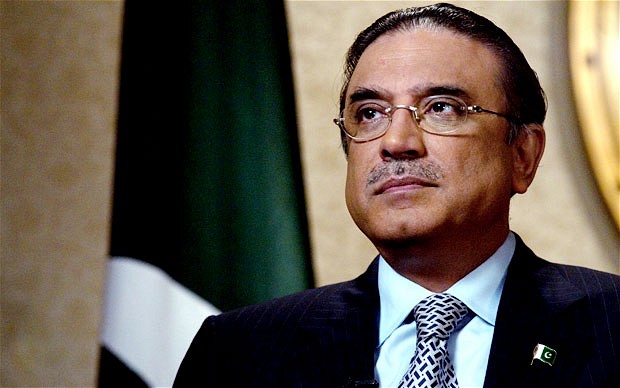
Early Life
Asif Ali Zardari was born on 26 July 1955 in Karachi, Pakistan, into a prominent Sindhi family of landowners and politicians. His father, Hakim Ali Zardari, was a well-known political figure and served as a member of the National Assembly. Asif received his early education at the Karachi Grammar School and later attended Cadet College Petaro. He went on to study at St. Patrick’s College in Karachi, where he completed his graduation. From a young age, Asif was exposed to the world of politics and governance, which shaped his future trajectory.
Political Career
Asif Ali Zardari’s political career began in the 1980s when he became actively involved in the Pakistan Peoples Party (PPP) after marrying Mohtarma Benazir Bhutto in 1987. He played a crucial role in the party’s organisation and was known for his political acumen and strategic thinking. During Benazir Bhutto’s first term as Prime Minister (1988-1990), Zardari served as a Member of the National Assembly and held various ministerial positions, including Minister for Housing and Works.
His political journey has been marked by both achievements and challenges. He faced numerous imprisonments and political persecution, often being held without trial for long periods. Despite these hardships, he remained steadfast in his commitment to democracy and the vision of the PPP. His resilience during his years of imprisonment became a symbol of resistance against political victimisation.
Presidency and Major Achievements
After the tragic assassination of Benazir Bhutto in 2007, Asif Ali Zardari led the PPP to victory in the 2008 general elections. In September 2008, he was elected as the 11th President of Pakistan, serving until September 2013. His presidency was marked by significant constitutional and political reforms.
- 18th Constitutional Amendment (2010): Zardari signed into law the landmark 18th Amendment, which devolved significant powers from the federal government to the provinces, abolished the Concurrent List, and transformed Pakistan into a parliamentary republic. It also renamed the North-West Frontier Province to Khyber Pakhtunkhwa.
- Rights of Minorities: He championed the rights of religious minorities and introduced reforms to protect their rights and ensure their representation in government.
- Women’s Empowerment: His administration passed the Women’s Protection Bill and increased women’s representation in parliament, building on Benazir Bhutto’s legacy.
- Economic Reforms: Zardari’s government focused on economic stabilisation, including negotiations with the International Monetary Fund (IMF) and the implementation of various development projects.
- Benazir Income Support Programme (BISP): He continued and expanded this flagship social welfare programme, providing financial assistance to millions of poor families across Pakistan.
“Democracy is the best revenge against dictatorship.”
— Asif Ali Zardari
Challenges and Legal Battles
Throughout his political career, Asif Ali Zardari has faced numerous legal challenges and allegations of corruption. He spent many years in prison during the 1990s on various charges, which were later dismissed by the courts. These legal battles became a defining part of his political narrative, with supporters viewing him as a victim of political victimisation and opponents criticising him for corruption. Despite these controversies, Zardari has maintained his innocence and continued to play a significant role in Pakistan’s politics.
Legacy and Leadership of PPP
As co-chairman of the Pakistan Peoples Party alongside his son Bilawal Bhutto Zardari, Asif Ali Zardari has been instrumental in steering the party through challenging times. After the 2008 elections, he played a key role in stabilising the democratic process in Pakistan and ensuring the country’s first-ever peaceful transition of power from one democratically elected government to another in 2013.
His ability to navigate complex political situations and form strategic alliances has made him a significant figure in Pakistani politics. Despite facing immense opposition and personal challenges, Zardari has remained a central figure in the country’s political landscape and continues to influence policy and party strategy.
Personal Life
Asif Ali Zardari married Benazir Bhutto in 1987, and together they had three children: Bilawal, Bakhtawar, and Aseefa. He is known for his love of polo, painting, and literature. Despite the immense political pressures and personal tragedies he has faced, including the loss of his wife, Zardari has remained a resilient and determined political figure. His children, particularly Bilawal, continue to carry forward the Bhutto-Zardari political legacy.
Later Political Role
After completing his presidential term in 2013, Asif Ali Zardari continued to play an active role in Pakistan’s politics. He has been a key figure in the Pakistan Democratic Movement (PDM), an alliance of opposition parties that worked to challenge the government and push for democratic reforms. In 2024, he was elected as the President of Pakistan for a second term, demonstrating his enduring political influence and the continued trust of the PPP in his leadership.